
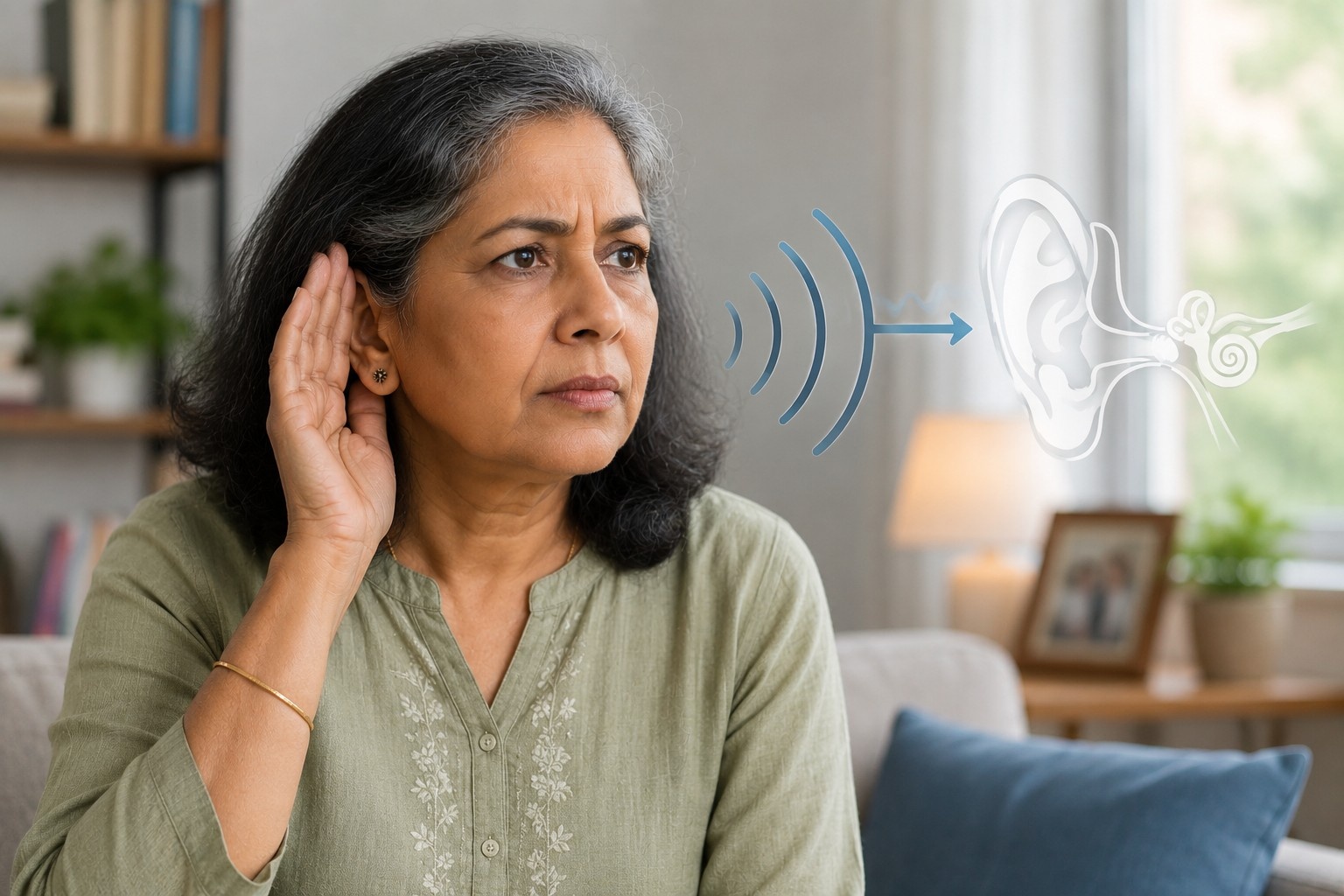
Hearing is an essential part of daily life, helping us communicate, stay connected with loved ones, and remain aware of our surroundings. However, many adults begin experiencing hearing loss after 50, often without realising how much it affects their quality of life.
Age-related hearing loss is one of the most common health conditions among older adults. Understanding the signs, causes, and available treatment options can help you take action early and protect your hearing health.
What Is Age-Related Hearing Loss?
Age-related hearing loss, also known as presbycusis, is the gradual loss of hearing that occurs as people grow older. It usually affects both ears and develops slowly over time, making it difficult to notice in the early stages.
Many people assume that hearing difficulties are simply a normal part of ageing, but untreated hearing loss can impact communication, relationships, and overall well-being.
Common Signs of Hearing Loss
The early signs of hearing loss can be subtle and often go unnoticed.
Watch for these symptoms:
- Frequently asking others to repeat themselves
- Difficulty understanding conversations in noisy environments
- Turning up the television or radio volume higher than usual
- Trouble hearing high-pitched sounds
- Feeling that people are mumbling when they speak
- Difficulty hearing on the phone
- Avoiding social situations because conversations become challenging
If you experience any of these signs of hearing loss, it may be time to schedule a hearing evaluation.
What Causes Hearing Loss After 50?
Several factors contribute to hearing problems in older adults.
Natural Ageing
Over time, the delicate structures within the inner ear gradually wear down, reducing the ability to detect sounds clearly.
Long-Term Noise Exposure
Years of exposure to loud environments, machinery, traffic, concerts, or personal audio devices can damage hearing permanently.
Medical Conditions
Conditions such as diabetes, high blood pressure, cardiovascular disease, and chronic ear infections may increase the risk of hearing loss.
Certain Medications
Some medications can affect hearing as a side effect, particularly when used for long periods.
Genetic Factors
Family history may also play a role in determining a person’s risk of developing age-related hearing loss.
Why Early Diagnosis Matters
Many adults delay seeking treatment because hearing loss develops gradually. However, untreated hearing loss can lead to:
- Social isolation
- Communication difficulties
- Increased stress and frustration
- Reduced confidence
- Cognitive decline and memory concerns
Early diagnosis allows healthcare professionals to identify the cause and recommend appropriate solutions before the condition worsens.
How Is Hearing Loss Diagnosed?
An ENT specialist or audiologist can perform a comprehensive hearing assessment to evaluate your hearing ability.
The evaluation may include:
- Physical examination of the ears
- Hearing tests
- Speech recognition testing
- Advanced diagnostic assessments when required
These tests help determine the type and severity of hearing loss.
Treatment Options for Hearing Loss
The right hearing loss treatment depends on the underlying cause and severity of the condition.
Hearing Aids
Modern hearing aids are smaller, more comfortable, and more advanced than ever before. They can significantly improve communication and quality of life.
Medical Treatment
If hearing loss is caused by infection, earwax buildup, or another treatable condition, medical intervention may restore hearing.
Surgical Procedures
In some cases, surgical treatments or implantable hearing devices may be recommended.
Hearing Rehabilitation
Communication strategies and hearing therapy can help individuals adapt and improve daily interactions.
Tips to Protect Your Hearing
Even after 50, there are steps you can take to preserve your hearing:
- Avoid prolonged exposure to loud noise
- Use hearing protection when necessary
- Manage chronic health conditions
- Have regular hearing check-ups
- Seek treatment promptly for ear infections and hearing concerns
Final Thoughts
Hearing loss after 50 is common, but it should never be ignored. Recognising the early signs of hearing loss and seeking professional care can make a significant difference in maintaining independence, communication, and overall quality of life.
If you notice changes in your hearing or struggle to follow conversations, consult an ENT specialist for a comprehensive hearing assessment. Early intervention can help you stay connected to the people and experiences that matter most.