
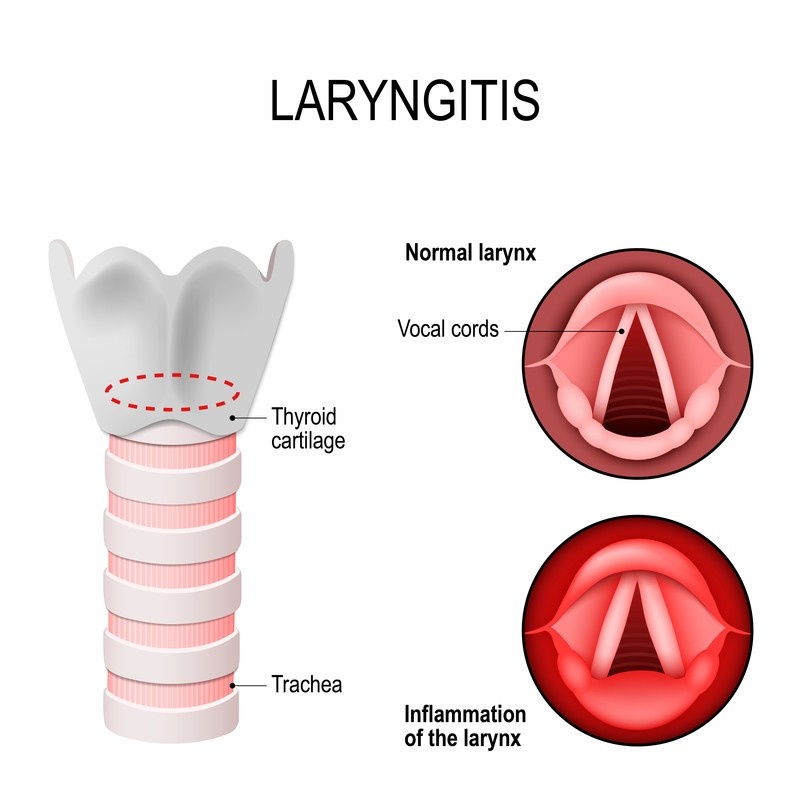
Laryngitis is a common condition that affects the voice box (larynx), leading to hoarseness, weak voice, or even complete loss of voice. While it is often temporary and mild, untreated or recurrent laryngitis can interfere with daily communication and may signal underlying health issues.
Understanding the causes, symptoms, and treatment options can help you recover faster and protect your voice.
What Is Laryngitis?
Laryngitis occurs when the larynx becomes inflamed or irritated, affecting the vocal cords’ ability to vibrate normally. This inflammation results in changes to the voice, such as hoarseness or voice loss.
Laryngitis can be:
- Acute – lasts a few days to a couple of weeks
- Chronic – lasts more than three weeks and may require medical evaluation
Common Causes of Laryngitis
Laryngitis can develop due to several reasons, including:
- Viral infections such as the common cold or flu
- Overuse of the voice (shouting, singing, public speaking)
- Bacterial infections (less common but more severe)
- Acid reflux (GERD) causing irritation of the vocal cords
- Smoking or exposure to irritants like pollution and chemicals
- Allergies leading to throat irritation
Symptoms of Laryngitis
Typical symptoms include:
- Hoarse, raspy, or weak voice
- Partial or complete loss of voice
- Sore throat or throat irritation
- Dry cough
- Difficulty speaking loudly or clearly
- Sensation of throat dryness or tickling
In children, severe laryngitis may also cause breathing difficulty and requires immediate medical attention.
How Is Laryngitis Diagnosed?
Diagnosis usually begins with a clinical examination and review of symptoms. If laryngitis persists or recurs frequently, further evaluation may include:
- Laryngoscopy to visualise the vocal cords
- Assessment for acid reflux or allergies
- Voice assessment for professional voice users
Persistent hoarseness lasting more than two weeks should always be evaluated by an ENT specialist.
Treatment Options for Laryngitis
Treatment depends on the underlying cause:
Voice Rest
Avoid talking, shouting, or whispering to allow vocal cords to heal.
Hydration
Drinking plenty of fluids keeps the throat moist and reduces irritation.
Steam Inhalation
Helps soothe inflamed vocal cords and loosen mucus.
Medications
- Antiviral or antibiotics (if infection is identified)
- Anti-reflux medication for GERD-related laryngitis
- Anti-inflammatory or allergy medications when required
Lifestyle Changes
- Avoid smoking and alcohol
- Reduce caffeine intake
- Manage acid reflux with diet changes
When Should You See a Doctor?
You should consult a doctor or ENT specialist if:
- Hoarseness lasts longer than two weeks
- Voice loss is sudden or severe
- You experience pain while speaking
- There is difficulty breathing or swallowing
- Laryngitis keeps recurring
Early evaluation helps rule out serious conditions and prevents long-term voice damage.
How to Prevent Laryngitis
- Avoid excessive voice strain
- Stay well hydrated
- Do not smoke or inhale irritants
- Manage acid reflux effectively
- Use a microphone if you speak publicly often
- Rest your voice during infections
Conclusion
Laryngitis is a common but often underestimated condition that affects communication and quality of life. While most cases resolve with rest and simple care, persistent or recurrent symptoms require medical evaluation to identify the underlying cause.
Prompt diagnosis, proper treatment, and voice care can ensure a full recovery and help protect your vocal health in the long term.